Ponas Robotas: How AI and Robotics Shape Modern Life
The term Ponas Robotas may sound unfamiliar, but it carries a rich cultural and technological significance. Literally translating to “Mr. Robot” in Lithuanian, the phrase has gained global recognition through the popular TV series Mr. Robot. Beyond entertainment, Ponas Robotas reflects how fiction often mirrors real-world technology, from artificial intelligence to robotics. Today, understanding Ponas Robotas is not just about appreciating a story, it’s about seeing how AI and human oversight are shaping our daily lives.
What is Ponas Robotas? Origins and Meaning
Ponas Robotas originates from Lithuanian, meaning “Mr. Robot.” Its connection to the Mr. Robot series helped it gain worldwide attention, blending storytelling with technology. The series portrays a world dominated by computers, networks, and artificial intelligence, making Ponas Robotas a symbol of our digital age.
Beyond the show, the term also represents the intersection of human creativity and machine intelligence. It helps viewers and tech enthusiasts alike understand how AI can both assist and challenge us, shaping discussions around privacy, ethics, and automation.
Lessons from Elliot Alderson: Fiction Meets Reality
Elliot Alderson, the central character of Mr. Robot, is a cybersecurity engineer battling social anxiety. By day, he works in IT security; by night, he fights against corrupt systems. His story mirrors real-world concerns like data privacy, hacking, and digital ethics.
Elliot’s struggles highlight human vulnerability in a technology-driven world. Isolation, ethical dilemmas, and the psychological effects of constant digital exposure are central themes. Ponas Robotas teaches us that while machines can solve complex problems, human judgment and morality remain crucial.
AI in Daily Life Inspired by Ponas Robotas
Smart Homes and Virtual Assistants
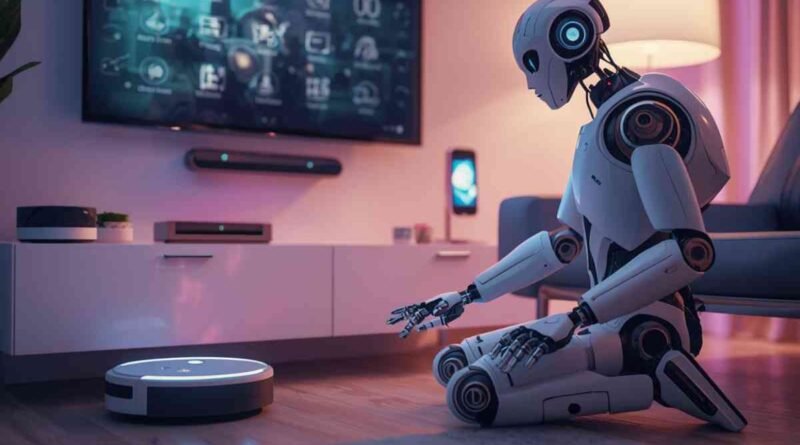
AI has already moved into our homes. Smart devices like robot vacuum cleaners, thermostats, and voice assistants learn from our routines to improve efficiency. Sensors and actuators allow these machines to navigate spaces, predict needs, and even adapt over time.
For example, a robot vacuum maps your home and optimizes cleaning paths, while virtual assistants like Google Home respond to voice commands and manage connected devices. This integration of AI into everyday life shows how Ponas Robotas’ themes extend far beyond fiction.
Machine Learning and Predictive Algorithms
Machine learning powers the recommendations and predictions we see daily. Platforms like Netflix or YouTube analyze patterns in user behavior to suggest content, while AI assistants anticipate our needs. Predictive algorithms help businesses and individuals make smarter, faster decisions, reflecting the intelligence themes explored in Ponas Robotas.
Common AI Applications in Daily Life
| Category | Example Device/Software | Function | Human Oversight |
|---|---|---|---|
| Smart Home | Robot Vacuum | Cleans & learns layout | Optional scheduling & manual override |
| Entertainment | Netflix, YouTube | Personalized recommendations | Feedback & rating system |
| Security | AI Cameras | Detect intrusions | Alerts reviewed by humans |
| Healthcare | Surgical Robots | Perform surgeries | Doctors supervise all procedures |
| Personal Assistant | Google Home | Responds to commands | Users manage privacy settings |
Robotics Beyond Fiction
Industrial Robotics
Industrial robots have transformed production. Collaborative robots work alongside humans to increase efficiency, while robotic arms handle repetitive or hazardous tasks. Companies across manufacturing, logistics, and assembly lines rely on these machines to reduce errors and improve productivity.
Humanoid and Service Robots
Robotics has expanded into healthcare, education, and elder care. Surgical robots allow doctors to perform precise procedures, while rehabilitation robots assist patients in recovery. Robot tutors provide personalized learning experiences, and assistant robots help the elderly with daily tasks, offering both care and companionship.
Cutting-Edge Innovations
Advances in sensors, AI vision, cloud computing, and smart materials are making robots smarter and more adaptable. These technologies allow machines to perceive their surroundings, make decisions, and interact safely with humans. Ponas Robotas reflects these trends, showing a future where robotics seamlessly integrates into human life.
Ethics and Human Oversight in AI
AI can enhance our lives, but it also raises ethical questions. Without proper oversight, algorithms can be biased, systems can fail, and unintended consequences can occur.
Algorithmic Bias
AI can inherit biases from the data it learns from, impacting decisions in employment, finance, and even law enforcement. Ensuring fairness requires careful human review and continuous monitoring.
Responsibility & Accountability
When AI fails, who is responsible? The programmer, the company, or the user? Autonomous systems need clear accountability structures to avoid harm and maintain trust.
Environmental Impact
AI and robotics also affect the environment. Electronic production and data center energy consumption increase our carbon footprint. Sustainable robotics and energy-efficient AI systems are emerging to address these concerns.
AI Risks vs Human Oversight
| AI Application | Potential Risk | Human Oversight Solution |
|---|---|---|
| Autonomous Vehicles | Accident scenarios | Clear rules, operator responsibility |
| Hiring Algorithms | Bias in candidate selection | Human review & audit of AI decisions |
| Healthcare AI | Misdiagnosis | Doctors validate all outcomes |
| Service Robots | Privacy & security | User permissions & monitoring |
Preparing for a Future Shaped by Ponas Robotas
Digital literacy is essential for navigating a world influenced by AI and robotics. Understanding how machines process information and how to protect personal data is crucial.
Technology can inspire creativity and innovation, especially in younger generations. At the same time, solutions must be adapted to local cultures and contexts to be effective and inclusive. By staying informed, we can ensure AI serves humanity rather than controlling it.
Conclusion
Ponas Robotas bridges fiction and reality, showing us how AI and robotics can enhance our lives while highlighting the importance of human oversight. From smart homes to healthcare and education, technology is everywhere—but ethical guidance and careful monitoring remain essential.
The future of AI is not just about machines, it’s about how humans guide them, ensuring technology strengthens society without compromising privacy, fairness, or safety.
FAQs
What does Ponas Robotas mean?
Ponas Robotas translates to “Mr. Robot” in Lithuanian. It refers to both the popular TV series and the broader ideas of AI, robotics, and human interaction with technology.
How does Ponas Robotas relate to AI and robotics?
The concept highlights how artificial intelligence and robotic systems influence daily life, from smart homes to healthcare, showing both benefits and ethical challenges.
Who is Elliot Alderson and why is he important?
Elliot Alderson is the main character of Mr. Robot. His story shows cybersecurity risks, digital privacy issues, and the human side of interacting with technology.
What are real-world examples of AI inspired by Ponas Robotas?
Examples include smart speakers, robot vacuum cleaners, predictive algorithms on streaming platforms, surgical robots, and elder care assistants that learn and adapt over time.
Why is human oversight important in AI and robotics?
Human oversight ensures that AI systems are safe, ethical, and fair. It prevents bias, protects privacy, assigns accountability, and reduces risks from automation errors.
How can Ponas Robotas inspire the future of technology?
It encourages digital literacy, ethical AI use, and innovation while showing the balance between human guidance and automated systems in shaping a smarter, safer future.