
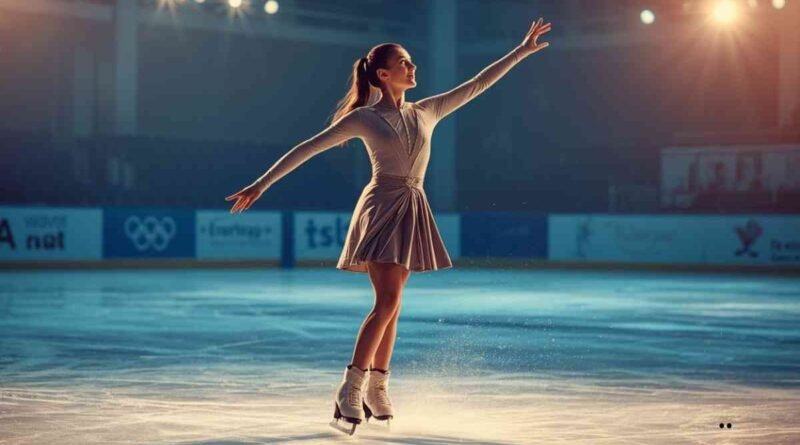
Why Does Ksayim Hsiung Want to Be an Ice Skate?
Many people are searching why does ksayim hsiung want to be an ice skate, and the question itself sounds a little confusing. The correct phrase should be “ice skater,” not “ice skate.” But the real curiosity is not about grammar.
People want to understand her motivation.
The short answer? Her dream appears to be driven by passion, self-expression, and the personal challenge that figure skating offers. It’s less about medals and more about identity.
When someone chooses a demanding sport like figure skating, there is usually a deeper reason behind it. That is what makes people curious.
Who Is Ksayim Hsiung?
There is limited verified public information about Ksayim Hsiung as a professional athlete. She appears to be a name that gained attention through online searches and discussions related to ice skating dreams.
That’s important to understand.
She may not be a widely recognized competitive figure skater yet. Instead, interest around her name seems connected to curiosity about her ambition rather than her achievements.
So why does her name appear in search results?
Often, when someone expresses a unique goal, like becoming an ice skater, people become interested in the “why” behind it. The internet amplifies that curiosity.
Understanding the Real Question Behind the Search
When people ask “why,” they are not looking for technical skating information.
They are looking for emotion.
There is a difference between learning how to skate and deciding to become an ice skater. The first is a hobby. The second is a commitment.
The question behind the keyword is really this:
What makes someone choose a difficult, artistic, and demanding sport as a life goal?
That emotional angle matters more than training details.
The Emotional Reasons Behind Her Ice Skating Dream
A Desire for Self-Expression
Figure skating is not just a sport. It is also performance art.
Skaters move with music. They tell stories through motion. They express emotion without speaking.
For someone creative, this can feel powerful.
Ice skating allows a person to combine athletic strength with artistic identity. That blend is rare in other sports.
Finding Identity Through Performance
Young people often shape their identity around what they love.
Choosing to become an ice skater can mean:
- “This is who I am.”
- “This is what I want to work toward.”
- “This is how I express myself.”
Goals help define direction. They give structure to life. That sense of identity can be very motivating.
The Joy of Movement on Ice
There is something unique about gliding on ice.
It feels light. Controlled. Free.
Many skaters describe the sensation as floating. That feeling alone can spark a deep emotional connection.
When someone falls in love with that experience early, it can turn into a long-term dream.
Why Ice Skating Specifically?
Ice skating stands out from sports like football or basketball.
It combines:
- Strength
- Balance
- Grace
- Performance
It is both athletic and artistic.
Unlike team sports, figure skating puts one person in the spotlight. Every movement is judged. Every detail matters.
For someone who enjoys individual challenge and personal growth, that spotlight can be motivating rather than intimidating.
Psychological Motivation Behind Wanting to Be an Ice Skater
Understanding why does ksayim hsiung want to be an ice skate also means understanding mindset.
Growth Mindset
Figure skating requires constant improvement.
Falls are normal. Mistakes happen daily. Progress takes years.
A person drawn to this sport often believes in growth. They see failure as part of learning.
Discipline and Structure
Ice skating demands routine.
- Early practices
- Repeated drills
- Physical conditioning
- Technical correction
For someone who thrives in structured environments, this can feel rewarding.
Confidence Building
Performing in front of judges and audiences builds confidence.
Standing alone on the ice takes courage.
Each completed routine strengthens self-belief.
Personal Ambition vs. External Validation
Some athletes skate for trophies.
Others skate for themselves.
If her motivation is internal, meaning she wants to grow, improve, and challenge herself, then her dream is rooted in personal ambition, not outside approval.
That distinction matters.
What Ice Skating Represents to Her
Ice skating may represent more than sport.
It can symbolize:
Independence
Training regularly builds responsibility.
Creative Freedom
Music and choreography allow artistic expression.
Personal Challenge
Learning jumps and spins pushes limits.
Recognition
Performing publicly creates visibility and acknowledgment.
When a dream connects to these deeper meanings, it becomes powerful.
Why Does Ksayim Hsiung Want to Be an Ice Skate in the First Place?
If we return to the original phrasing, the curiosity around why does ksayim hsiung want to be an ice skate likely comes from interest in her motivation, not her skill level.
People want to know:
What drives her?
The answer seems to be passion, creativity, and the desire to challenge herself in a sport that blends beauty with strength.
The Reality of Becoming an Ice Skater
Dreams are inspiring. But the path is demanding.
Here is a clear breakdown:
| Aspect | What It Requires | Why It Matters |
|---|---|---|
| Physical Training | Strength, balance, endurance | Prevents injuries and improves jumps |
| Mental Strength | Focus, resilience | Handles competition pressure |
| Artistic Skill | Expression, choreography | Builds unique performance identity |
| Financial Support | Coaching, rink time | Sustains long-term development |
| Time Commitment | Daily practice | Skill progression consistency |
Becoming an ice skater is not just about talent. It requires long-term commitment.
Challenges She May Face
Every dream comes with obstacles.
Financial Barriers
Ice time, coaching, costumes, and travel can be expensive.
Injuries
Falls are common. Overuse injuries can happen.
Performance Pressure
Being judged publicly is stressful.
Social Comparison
Watching others progress faster can feel discouraging.
Burnout Risks
Too much training without rest can reduce motivation.
Acknowledging these challenges makes the dream more realistic.
How Family and Role Models Influence Her Dream
Many young skaters are inspired by watching elite athletes perform on television or online.
Competitions and global events showcase:
- Olympic performances
- World championships
- Artistic programs
Family support also plays a huge role.
Encouragement, transportation, emotional backingm, these things matter more than people realize.
Community creates confidence.
Is This Dream Realistic?
That depends on several factors.
Age Considerations
Many competitive skaters begin serious training between ages 4 and 8.
Training Pathway
Progression moves from basic skills to local competitions, then higher levels.
Amateur to Competitive Structure
Skaters must pass skill tests and compete consistently to advance.
Is it easy? No.
Is it possible? Yes, with support, discipline, and long-term commitment.
What This Dream Says About Her Personality
Wanting to become an ice skater suggests certain traits.
Determination
It takes courage to choose a demanding sport.
Artistic Side
The sport blends movement and creativity.
Courage
Performing alone requires bravery.
Long-Term Thinking
Mastery takes years. Choosing this path shows patience.
These personality traits often define strong individuals.
Broader Meaning — Why Many Young People Choose Ice Skating
This dream is not unique.
Many young athletes are drawn to figure skating because it offers:
Control in a Chaotic World
Structured training creates stability.
Performance Identity
Skaters become storytellers on ice.
Social Belonging
Training groups build friendships.
Ice skating gives both challenge and connection.
Final Answer — Why Does Ksayim Hsiung Want to Be an Ice Skater?
At its core, the answer is simple.
She likely wants to become an ice skater because the sport gives her:
- Passion
- Creative expression
- Personal challenge
- Emotional growth
It is not just about skating.
It is about who she wants to become.
And sometimes, that is the real dream.
FAQs
Is Ksayim Hsiung a real competitive skater?
There is very limited verified information about her as a professional skater. Most interest is about her dream, ambition, and personal motivation rather than official rankings.
Why do young athletes choose figure skating over other sports?
Figure skating blends athletic skill with artistic expression. It allows young athletes to compete while also showcasing creativity and personal style.
Is ice skating expensive to pursue professionally?
Yes, pursuing ice skating professionally requires investment in coaching, rink time, proper equipment, and costumes. Travel for competitions also adds to the overall cost.
At what age should someone start serious training?
Most competitive skaters begin structured training between ages 4 and 8. Starting early helps build balance, flexibility, and technical skills, though dedication at any age can make a difference.
What personality traits help someone succeed in figure skating?
Discipline, patience, and resilience are essential traits for success. Creativity, focus, and the ability to handle pressure also help skaters perform consistently.
Is ice skating more artistic or athletic?
Ice skating is a combination of both. Athletes need strength, balance, and endurance, while also performing routines with artistic expression and style.
How long does it take to become competition-ready?
It usually takes several years of consistent, structured training to reach competitive levels. Progress depends on dedication, coaching quality, and mastering both technical and artistic skills.