
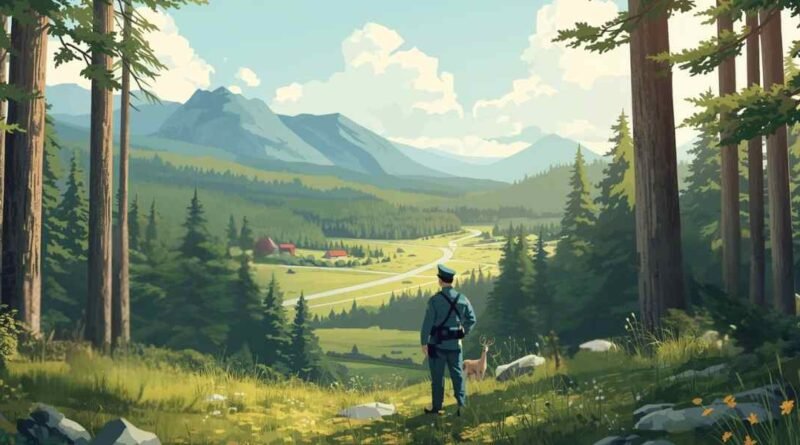
Viltnemnda: How Norway Manages Wildlife and Local Safety
If you’ve ever wondered how wildlife is managed in Norway, the answer often leads to one system, viltnemnda. It plays a key role in keeping nature balanced while also protecting people, farms, and local communities.
In simple words, viltnemnda is a local wildlife committee that manages animals, controls hunting, and handles conflicts between humans and wildlife. It works at the municipal level and follows national laws to make fair decisions.
Understanding how it works helps you see how a country can protect nature while still allowing people to live and work safely.
What Is Viltnemnda? (Simple Definition)
Viltnemnda is a local committee in Norway that manages wildlife in a safe and balanced way. It focuses on keeping animal populations healthy while reducing problems for people.
It connects government rules with real-life situations, making sure decisions are practical and useful for each area.
Quick Summary:
- Local wildlife committee
- Manages animal populations
- Controls hunting rules
- Solves human-wildlife conflicts
Why Viltnemnda Is Important in Norway
Norway has forests, mountains, and open land where animals live freely. But as people build roads and farms, animals and humans meet more often.
This is where viltnemnda becomes important.
It helps:
- Keep people safe from animal-related accidents
- Protect farmers from crop and livestock damage
- Maintain balance in nature
Without proper management, wildlife numbers could grow too much or drop too low. Both situations can harm the environment.
How Viltnemnda Works (Step-by-Step)
The system may sound complex, but it works in a clear and structured way.
Decision-Making Process
Decisions are based on data, local reports, and expert advice. The committee reviews wildlife numbers, damage cases, and safety risks before taking action.
Every decision aims to balance nature and human needs.
Who Is Involved
Viltnemnda includes:
- Local government members
- Wildlife experts
- Hunters
- Landowners
This mix ensures that different viewpoints are considered.
How Rules Are Applied
National laws set the guidelines, but viltnemnda applies them locally. This allows decisions to match the real conditions of each area.
For example, hunting limits may differ from one region to another.
Key Responsibilities of Viltnemnda
Viltnemnda handles several important tasks that directly affect daily life.
- Wildlife population control
- Hunting regulation
- Conflict resolution
- Public awareness and education
Each responsibility is connected. Managing animal numbers, for example, helps reduce accidents and damage.
Real-Life Examples of Viltnemnda in Action
Understanding real situations makes everything clearer.
Moose Road Accident Case
In some areas, moose often cross roads. If accidents increase, viltnemnda may reduce the population through controlled hunting or add warning systems.
This improves safety for drivers.
Farmer Crop Damage Case
If animals destroy crops, the farmer reports the issue. The committee investigates and may provide compensation or suggest preventive measures like fencing.
Injured Animal Rescue
When an animal is hit by a car, local teams respond. If the animal can be saved, it gets treatment. If not, humane action is taken to prevent suffering.
Laws Behind Viltnemnda (Simplified)
Viltnemnda follows two main laws in Norway.
Nature Diversity Act
This law protects nature, ecosystems, and biodiversity. It ensures wildlife is managed in a sustainable way.
Wildlife Act
This law focuses on hunting and animal management. It sets rules for hunting seasons, quotas, and ethical practices.
Together, these laws guide every decision made by viltnemnda.
Hunting Rules and Wildlife Control
Hunting in Norway is not random. It is carefully planned and controlled.
Viltnemnda sets:
- Hunting quotas (how many animals can be hunted)
- Hunting seasons
- Rules for safe and ethical hunting
Hunting helps control animal populations. Without it, some species could grow too large and damage ecosystems.
At the same time, strict rules ensure animals are treated with respect.
Human vs Wildlife Conflict (And Solutions)
As human activity grows, conflicts with wildlife increase.
Common Problems
- Crop damage by animals
- Road accidents involving wildlife
These problems affect both safety and livelihoods.
Practical Solutions
Viltnemnda uses simple but effective solutions:
- Fencing to protect farms
- Wildlife corridors for safe movement
- Controlled hunting to manage numbers
These solutions reduce conflict without harming ecosystems.
Compensation System Explained
When wildlife causes damage, there is a clear process.
- Damage happens
- Report is submitted
- Inspection is done
- Payment is provided (if valid)
This system builds trust between communities and authorities. It ensures people are not left alone to handle losses.
Use of Technology in Wildlife Management
Modern tools make wildlife management smarter.
Viltnemnda uses:
- GPS tracking to monitor animal movement
- Drones to survey large areas
- Data systems to analyze patterns
These tools help predict problems before they happen and improve decision-making.
Structure of Viltnemnda
Viltnemnda is made up of people with different backgrounds.
Members usually include:
- Local officials
- Hunters
- Wildlife specialists
- Landowners
They are selected by municipal authorities.
Local knowledge is very important. People who live in the area understand the land, animals, and risks better than anyone else.
Viltnemnda vs Wildlife Systems in Other Countries
Here’s a simple comparison:
| Feature | Viltnemnda (Norway) | Other Countries |
|---|---|---|
| Control Level | Local | Centralized |
| Decision Speed | Fast | Slower |
| Community Role | High | Limited |
| Flexibility | Strong | Moderate |
This local approach allows faster and more practical decisions.
Challenges Faced by Viltnemnda
Even with a strong system, there are challenges.
- Climate change affecting animal behavior
- Urban expansion reducing habitats
- Public disagreements on hunting
- Limited funding for projects
Balancing all these factors is not always easy.
Future of Viltnemnda
The future looks more advanced and data-driven.
We can expect:
- AI-based wildlife tracking
- Better monitoring systems
- Smarter and faster decisions
These improvements will make viltnemnda even more effective in the coming years.
Why Viltnemnda Matters for Everyday People
This system is not just about animals. It directly affects people.
It helps:
- Protect farmers from losses
- Reduce road accidents
- Keep nature balanced
In simple terms, it makes life safer and more stable.
Key Benefits of Viltnemnda (Quick Summary)
- Protects wildlife
- Supports local communities
- Maintains ecological balance
Final Thoughts
Viltnemnda is a strong example of how local systems can manage wildlife effectively. It combines laws, local knowledge, and modern tools to create balance between people and nature.
Its real strength lies in practical action. Instead of just making rules, it solves real problems on the ground.
As challenges grow, systems like viltnemnda will become even more important for building a sustainable future.
FAQs
Is Viltnemnda part of the government?
Viltnemnda works at the municipal level, which means it is connected to local government authorities. However, it also operates with some independence in decision-making. It follows national laws but applies them based on local conditions.
Can tourists be affected by Viltnemnda rules?
Yes, tourists can be affected, especially if they are involved in outdoor activities like hunting or traveling in wildlife areas. Road safety rules and wildlife protection laws apply to everyone, including visitors.
How are hunting quotas decided?
Hunting quotas are based on scientific data, animal population studies, and local conditions. Viltnemnda reviews this information regularly to ensure that hunting stays sustainable and does not harm ecosystems.
What happens if wildlife laws are broken?
If someone breaks wildlife laws, they may face penalties such as fines or legal action. Authorities take these violations seriously because they can harm both animals and the environment.
Does Viltnemnda protect endangered species?
Yes, protecting vulnerable and endangered species is part of the system. Decisions are made carefully to ensure that these species are not harmed and can recover over time.
How fast does Viltnemnda respond to incidents?
Response time depends on the situation, but urgent cases like accidents or injured animals are handled quickly. Local teams are often ready to act, ensuring safety for both people and wildlife.