
CCSD Woodshop Mr Thomas – Your Complete Guide
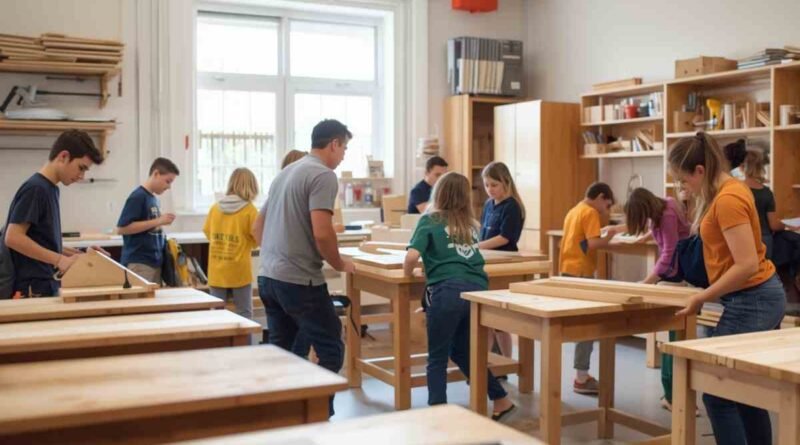
The CCSD woodshop Mr Thomas is a standout program in the Clark County School District. It’s more than just a class where students handle tools; it’s a space where they learn practical skills, creativity, and problem-solving. Students enjoy seeing their ideas come to life in wood, whether it’s a simple box or a fully crafted bench. This guide covers everything you need to know about the program, from curriculum to projects, safety, and ways for parents and students to get involved.
What makes this woodshop special is its hands-on approach. Instead of just reading or watching, students actively create. They leave class with something tangible, a skill, a project, and often, a sense of pride. It’s an experience that blends learning, fun, and personal growth in a safe and encouraging environment.
Who Is Mr Thomas?
Mr Thomas brings years of woodworking experience to the CCSD woodshop. Before teaching, he worked extensively with wood in various projects, which gives him a deep understanding of both traditional and modern techniques. His calm and supportive teaching style helps students, especially beginners, feel comfortable around tools.
His approach focuses on hands-on learning. He demonstrates skills clearly, then steps back to let students try for themselves. This builds confidence, independence, and problem-solving abilities. Mr Thomas believes every project is a chance to grow not just as a woodworker, but as a person.
CCSD Woodshop Curriculum Overview
The program is structured to help students progress from basic skills to more advanced woodworking. Lessons combine theory with practical application, ensuring students understand why each step matters. Safety is emphasized throughout every activity, creating a secure learning environment.
Students start with beginner skills, learning to measure, cut, and sand. As they gain confidence, they move to intermediate tasks like joinery and using clamps and glue. Advanced students read blueprints, handle power tools, and complete larger projects with finishing touches.
Curriculum Table
| Level | Key Skills | Tools Used | Sample Project |
|---|---|---|---|
| Beginner | Measuring, cutting, sanding | Hand saws, sandpaper | Simple box or frame |
| Intermediate | Joinery, clamps, glue | Chisels, drills | Small stool, toolbox |
| Advanced | Blueprint reading, finishing | Power tools, staining | Table, bench, community project |
This table gives students and parents a clear overview of skill progression and tools at each stage.
Hands-On Learning & Projects
The heart of the CCSD woodshop is doing, not just watching. Students practice skills individually and in groups. Solo tasks encourage independence, while group projects build teamwork. Every project reinforces lessons learned and provides a sense of accomplishment.
Top Projects in CCSD Woodshop
- Shelves, birdhouses, and benches
- Tables, chairs, and other furniture
- Community-focused projects like school garden benches
These projects show how students apply math, measurement, and design principles in a real-world context.
Tools & Safety in the Workshop
Safety is a top priority in Mr Thomas’s class. Students start with basic hand tools before moving on to drills, saws, and other machinery. Daily routines include checking equipment, using protective gear, and maintaining clean workspaces.
Tips for beginners and parents:
- Always wear safety goggles and closed-toe shoes
- Clamp wood securely to prevent slips
- Take regular breaks to avoid fatigue
- Follow Mr Thomas’s instructions carefully
These habits ensure students enjoy learning while staying safe.
Benefits for Students
The program develops more than woodworking skills. Students gain confidence, patience, and problem-solving abilities. They also see academic benefits, connecting lessons in math, physics, and art to real projects.
Other advantages include:
- Exploring career paths or hobbies in carpentry and design
- Building social skills through group work
- Learning responsibility, focus, and resilience
Parents often notice improvements in organization and attention at home after their child joins the woodshop.
Getting Started: Enrollment & Preparation
The woodshop is open to middle and high school students in CCSD. No prior experience is required, though early practice can help. Enrollment usually happens through school counselors, and spots can fill quickly.
Preparation tips:
- Wear comfortable clothes and closed-toe shoes
- Bring a notebook for sketches or notes
- Ask questions in advance to understand class expectations
Students should be ready to engage actively and enjoy the hands-on experience.
Tips for Parents to Support Their Child
Parents play a key role in maximizing the benefits of the woodshop:
- Reinforce safety rules at home
- Encourage creative practice with small projects
- Attend student showcases or exhibitions
- Celebrate each accomplishment to boost confidence
This support strengthens learning and helps children feel proud of their work.
Success Stories & Long-Term Impact
Many students leave Mr Thomas’s class with skills they continue to use in hobbies or careers. Some pursue trades like carpentry, while others apply problem-solving techniques in school and work. Community projects, such as building benches or birdhouses, leave a lasting impact on the school environment.
Student testimonials often mention increased confidence, creativity, and enjoyment of practical learning. Former students credit the program with sparking interest in woodworking and providing skills that last a lifetime.
Future of CCSD Woodshop Mr Thomas
Mr Thomas plans to keep evolving the program. Upcoming updates include:
- Incorporating more technology like precision machines
- Offering community workshops and events
- Expanding after-school and advanced classes
These enhancements aim to reach more students and maintain a modern, hands-on learning experience.
FAQs About CCSD Woodshop Mr Thomas
What grade levels can join?
Middle and high school students in CCSD.
Is prior woodworking experience required?
No, the program is designed for beginners and advanced learners alike.
How are projects graded or assessed?
Focus is on improvement and skill mastery rather than formal tests.
What materials are provided by the school?
Basic tools, wood, and protective gear are supplied.
Can parents visit or observe class?
Yes, open houses and showcases are available.
How are safety rules enforced?
Mr Thomas monitors daily routines and tool use closely.
How often do classes meet?
Several times a week, depending on grade and schedule.
Are there advanced or after-school programs?
Yes, opportunities exist for students who want to continue building skills.
Conclusion
The CCSD woodshop with Mr Thomas is more than a woodworking class. It teaches practical skills, builds confidence, and provides a safe space to create. From basic measuring and cutting to advanced furniture projects, students learn lessons that go beyond wood.
For parents and students seeking hands-on learning, growth, and memorable experiences, this program is an excellent choice. Under Mr Thomas’s guidance, curiosity transforms into skill, and every project becomes a step toward lifelong confidence and creativity.