Do Production Companies Require Certified In GrandMA3
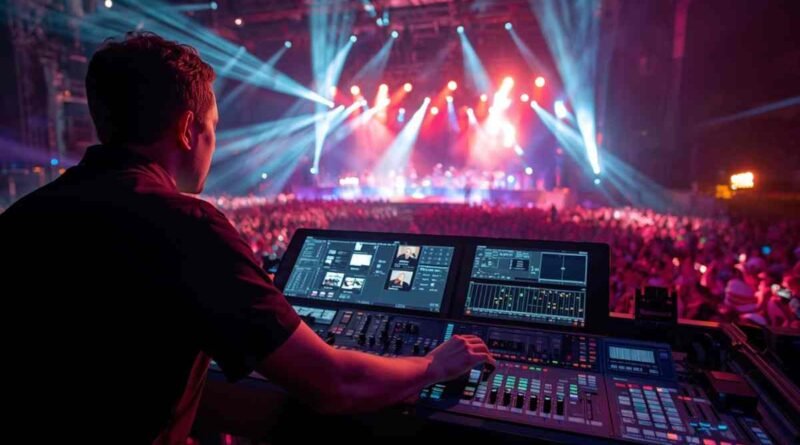
Imagine standing in the middle of a packed concert arena. Lights sweep across the stage, colors shift perfectly with every beat, and the audience is completely mesmerized. Behind that flawless lighting show is a technician working on a GrandMA3 console, one of the most advanced lighting control systems in the world.
If you’re an aspiring lighting professional, you might be asking yourself: do production companies require certified in GrandMA3? The answer isn’t as simple as yes or no. While certification can certainly help, experience, portfolio, and networking often carry equal or even greater weight. In this guide, we’ll break down everything you need to know, from certification benefits to how to succeed without it.
What is GrandMA3 and Why Certification Exists
GrandMA3 is the latest console from MA Lighting, widely recognized as a standard in professional lighting production. Used in concerts, theater, corporate events, and broadcast productions, it allows technicians to control complex light shows with precision and creativity.
Certification programs were introduced to ensure users understand the console inside and out. Here’s why they matter:
- Credibility: Certification proves you’ve received professional training and can confidently operate the system.
- Standardized Skills: Employers can trust certified technicians will follow best practices without constant supervision.
- Confidence and Speed: Being certified often accelerates your learning curve and helps you troubleshoot faster on live shows.
GrandMA3 certification comes in several levels, from beginner courses like Level 1 to advanced professional programs. Each level targets different skills, from basic programming to complex show design and network management.
Getting certified not only adds credibility but also signals your commitment to your craft. It’s an investment in both your skills and your reputation.
Do Production Companies Require GrandMA3 Certification?
The truth is, it depends on the type of production company and the scale of the events.
High-Level Productions
Large-scale concerts, televised shows, and corporate events often prefer or require certification. These productions involve expensive equipment, high-pressure schedules, and tight deadlines. A certified technician reduces risk and ensures consistency.
Small or Local Productions
Smaller venues, community theater, or indie music events generally prioritize hands-on experience and adaptability over formal certification. A technician who can quickly problem-solve and adapt to changing conditions can be more valuable than someone with only a certificate.
Here’s a clear comparison:
| Company Type | Certification Needed? | Experience Needed? | Notes / Tips |
|---|---|---|---|
| Global Concert Tours | Often required | Critical | Certification reduces hiring risk |
| Corporate Events | Recommended | Important | Certification boosts credibility |
| Local Theatre / Clubs | Not required | Essential | Portfolio & references matter more |
| Freelance / Small Gigs | Optional | Must have | Portfolio is king |
| Broadcast / TV Studios | Often required | Highly valued | Certification ensures consistency |
The key takeaway: certification opens doors, but experience keeps you in the room.
Certification vs. Hands-On Experience
Many aspiring lighting techs wonder which is more valuable: certification or real-world experience. The answer? Both have unique benefits.
Certification opens doors:
- Shows employers you’re trained and serious.
- Makes it easier to land gigs at high-profile productions.
- Can sometimes substitute for lack of experience in entry-level roles.
Hands-on experience builds credibility:
- Demonstrates your ability to handle real-life problems.
- Helps you adapt to unpredictable situations during live shows.
- Builds a network of contacts who can vouch for your skills.
Take the story of Alex, a lighting tech who started with no certification. By volunteering at local gigs and learning on the job, Alex eventually got hired by a major theater company. Certification might have made the journey faster, but his experience, portfolio, and professional relationships were the real game-changers.
In the ideal scenario, mix both certification and experience. This combination provides technical knowledge, practical skills, and industry credibility.
Benefits of GrandMA3 Certification Beyond Hiring
Even if a company doesn’t explicitly require it, certification has several advantages:
- Stay updated: MA Lighting frequently releases new software features. Certified technicians are trained on these updates.
- Networking opportunities: Certification courses connect you with instructors and peers who can provide mentorship and job leads.
- Faster learning curve: Being certified reduces trial-and-error time when programming shows.
- Professional image: Certification signals commitment and professionalism to clients and colleagues.
In short, certification is not just about landing a job; it’s about enhancing your performance and career longevity.
How to Decide if Certification is Right for You
Here’s a practical way to decide:
- Your target production scale: If you aim for international tours or high-profile corporate events, certification is highly recommended.
- Budget constraints: Certification courses can be costly, so balance your investment with expected career returns.
- Current skill level: If you already have extensive hands-on experience, certification may be optional but still beneficial.
Suggested roadmap for beginners:
- Start with self-learning or free tutorials.
- Shadow experienced technicians to gain on-the-job experience.
- Pursue certification once you have a foundation and the budget allows.
Tips to Succeed Without Certification
Not every lighting tech starts with a certificate. Here’s how to build a career without one:
- Create a portfolio or demo reel: Record your programming and lighting designs, even small projects can impress.
- Volunteer or intern: Start small, learn from professionals, and gain references.
- Join GrandMA3 communities: Forums, Discord channels, and YouTube tutorials offer free resources and tips.
- Networking and mentorship: Relationships in the industry often matter more than formal credentials.
- Take on small gigs: Every experience builds your portfolio and reputation, leading to bigger opportunities.
Regional Insights and Market Trends
Requirements for GrandMA3 certification vary globally:
- United States & Europe: Larger productions increasingly prefer certified techs, especially for corporate and broadcast events.
- Asia & Emerging Markets: Certification is less strictly enforced; skills and practical experience weigh more.
- Industry trend: The demand for certified technicians is rising in high-profile events due to increased complexity and technology reliance.
Being aware of regional differences can help you prioritize learning and certification strategically.
Cost, Duration, and Learning Curve
- Certification costs: Ranges from $500 to $2,000 depending on course level and location.
- Duration: Basic training can take a few weeks, while advanced mastery may take several months.
- Efficiency tip: Combine online tutorials with certification courses to reduce costs and accelerate learning.
Planning your training based on your career goals and budget ensures the best return on investment.
FAQs
Is GrandMA3 certification mandatory for all production companies?
No. Certification is often required for large-scale or corporate productions, but many smaller gigs, local theaters, and freelance opportunities value experience over formal credentials.
Can I start working on gigs without certification?
Absolutely. Many technicians start with small gigs or volunteering, learning on the job, and gradually build a portfolio that leads to professional opportunities.
How long does it take to become certified?
Basic courses can be completed in a few weeks, but mastering GrandMA3 takes months or even years of consistent practice. Certification is only the starting point.
How much does GrandMA3 certification cost?
Costs vary depending on the level and location, typically between $500 and $2,000. Budget for travel, materials, and optional advanced courses if aiming for high-level roles.
Which is more important: certification or experience?
Both are valuable. Certification shows formal training, while experience demonstrates problem-solving, adaptability, and real-world skills. A combination of both is ideal.
Can freelance techs succeed without any certification?
Yes. Many freelancers thrive on reputation, portfolio, and networking. Certification can help, but it’s not mandatory for smaller or local gigs.
Are there online options for GrandMA3 certification?
Yes. MA Lighting and authorized training centers offer online courses, which can be combined with hands-on practice to maximize learning flexibility.
Will certification help me earn higher pay?
It can. Certified technicians often command higher rates in corporate, broadcast, and large-scale events because it reduces hiring risk for employers.
Can certification replace hands-on learning completely?
No. While it teaches technical skills, nothing replaces practical experience on live shows. Certification is a supplement, not a substitute, for real-world problem-solving.
Conclusion
So, do production companies require certified in GrandMA3? The answer is: it depends. Large-scale productions and corporate events often prefer certified technicians, while smaller gigs may value hands-on experience more.
Certification is a valuable tool, it opens doors, accelerates learning, and boosts credibility. But your passion, practice, and networking are equally important in shaping a successful career.
If you’re ready to learn, take risks, and grow, the stage is waiting. Certification can give you extra confidence, but it’s your skill and dedication that truly light up the show.