
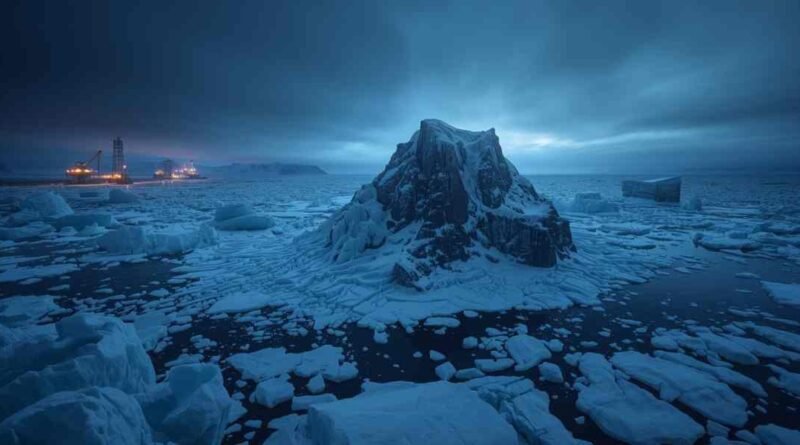
Drilling for Oil Kaffeklubben Island Northpole: Reality and Risks
The idea of drilling for oil in the farthest reaches of the Arctic has fascinated explorers, scientists, and the general public for decades. Among these extreme locations, Kaffeklubben Island, a tiny, icy outpost near the North Pole, often captures attention as the “last oil frontier.” Its remoteness, harsh conditions, and symbolic position at the northernmost point of Earth make it a subject of curiosity, but is it really a candidate for oil extraction?
In this blog, we will read how the drilling for oil kaffeklubben island northpole work, the practical challenges of Arctic drilling, the environmental risks, and the myths perpetuated by media hype. By the end, you’ll understand why this tiny speck of land is more about wonder and symbolism than commercial oil potential.
Where is Kaffeklubben Island? Geography and Facts
Kaffeklubben Island lies off the northern coast of Greenland, just a few kilometers from the Arctic Ocean’s permanent sea ice. Measuring only about 0.4 square kilometers, it is essentially a rocky outcrop surrounded by vast stretches of ice. This makes it the northernmost landmass on Earth, even beyond the more famous Greenlandic islands.
The climate here is unforgiving. For most of the year, temperatures drop below –40°C, and thick sea ice surrounds the island, sometimes reaching over three meters in thickness. The extreme cold, combined with months of polar night, makes any human activity extremely difficult.
Suggested visual: Map highlighting Kaffeklubben Island relative to Greenland and the North Pole.
The Geology of Kaffeklubben Island: Could Oil Exist?
Many people wonder if Kaffeklubben Island hides oil reserves beneath its icy crust. The geological reality, however, tells a different story.
Kaffeklubben Island is primarily composed of Precambrian crystalline rock, some of the oldest rock formations on Earth. These hard, ancient rocks are virtually impermeable, unlike the sedimentary basins that trap oil and gas over millions of years. Hydrocarbons naturally accumulate in porous sedimentary layers, not crystalline bedrock.
Here’s a quick comparison:
| Feature | Kaffeklubben Island | Typical Arctic Oil Site |
|---|---|---|
| Rock Type | Precambrian crystalline | Sedimentary |
| Oil Potential | Near zero | Moderate to high |
| Accessibility | Extremely remote | Offshore, south Greenland |
| Environmental Risk | High | Moderate |
This table makes it clear: even if oil were present, drilling under Kaffeklubben Island would be a near-impossible endeavor. Most Arctic oil reserves are found farther south in sedimentary offshore basins, not in the northernmost rocky islands.
Challenges of Arctic Drilling at the Northernmost Point
Even if there were oil under Kaffeklubben Island, practical realities make drilling nearly impossible. Some of the main challenges include:
Extreme Cold and Polar Night
Workers would face months of darkness during the Arctic winter. Temperatures below –40°C can freeze equipment, complicate machinery operation, and increase the risk of frostbite or accidents.
Thick Sea Ice
The surrounding Arctic waters are blocked by multi-meter-thick ice for much of the year. Floating drilling rigs cannot anchor easily, and icebreakers can only do so much. Seasonal ice limits drilling windows to just a few months, if at all.
Lack of Infrastructure
There are no roads, ports, or electrical grids near Kaffeklubben Island. All fuel, tools, and supplies would need to be shipped at enormous expense. Even temporary structures for drilling crews would require enormous logistical planning.
Environmental Sensitivity
Kaffeklubben Island and its surrounding areas are home to polar bears, seals, migratory birds, and fragile ecosystems. Any industrial activity, particularly oil drilling, could cause irreversible damage. Oil spills in frozen waters are virtually impossible to clean, and contamination could persist for decades.
Suggested visual: Flow chart showing logistics challenges of Arctic drilling from supply shipment to operational constraints.
History of Arctic Exploration and Surveys
Although Kaffeklubben Island itself has not been drilled, nearby regions have been surveyed for hydrocarbon potential. A brief historical overview highlights the difference between myth and reality.
| Year | Survey/Expedition | Findings |
|---|---|---|
| 1970s | Danish & American seismic survey | Minor offshore hydrocarbons |
| 1980s | Arctic research missions | No oil under Kaffeklubben Island |
| 2000s | Climate studies | Focused on ice melting & environmental impact |
Early seismic surveys around northern Greenland indicated some hydrocarbon pockets in offshore sedimentary basins. However, Kaffeklubben Island itself was just rock and ice, unsuitable for commercial drilling. These surveys helped scientists map Arctic geology but did not support the idea of northernmost oil extraction.
Geopolitical Importance vs Practical Reality
While Kaffeklubben Island holds almost no economic value for oil drilling, it carries symbolic significance. It lies under Danish and Greenlandic sovereignty, making it a point of reference in territorial discussions. Countries like Russia, Canada, Norway, and the United States have long been staking claims across the Arctic for strategic purposes.
Planting a “flag” on Kaffeklubben Island has prestige but no real oil payoff. Media reports often confuse symbolic gestures with practical prospects, creating headlines about the “North Pole drilling boom” that have little basis in reality.
Environmental Concerns
The Arctic is among the most fragile ecosystems on Earth. Kaffeklubben Island and nearby waters host:
- Polar bears hunting on sea ice.
- Seals relying on frozen habitats for reproduction.
- Migratory birds nesting in limited ice-free zones.
Oil drilling in this area would be disastrous. Even minor spills could freeze into the ice, spreading slowly and poisoning wildlife. Past Arctic accidents, such as minor offshore spills in Alaska, illustrate how difficult clean-up can be, even in slightly warmer conditions.
Myths and Media Hype About North Pole Oil
The idea of Kaffeklubben Island as an oil-rich frontier persists mainly because of curiosity and media exaggeration. Stories of the “last oil frontier” or the “North Pole drilling boom” capture attention, even though geological and logistical realities make extraction impractical.
The allure is symbolic: extreme locations, the challenge of human ingenuity, and the mystery of the Arctic. Reality, however, remains clear, accessible oil reserves lie further south, in sedimentary offshore basins, not on tiny icy islands near the pole.
Key Lessons from Kaffeklubben Island
Kaffeklubben Island teaches several valuable lessons:
- Curiosity Leads to Discovery: A simple question about oil drives learning about Arctic science, climate change, and geopolitics.
- Reality Trumps Fantasy: Maps and imagination are fun, but geological and logistical constraints set boundaries.
- Respect Extreme Environments: Human desires must respect nature’s limits, especially in fragile ecosystems.
- Symbolism vs Practicality: Not every location that excites the imagination has economic potential.
FAQ
Is there oil under Kaffeklubben Island?
No, the island consists mainly of Precambrian crystalline rock, which is unsuitable for hydrocarbon accumulation. Real oil reserves are found in sedimentary basins much further south.
Has drilling ever been attempted?
No drilling has taken place on Kaffeklubben Island itself. Surveys in nearby Arctic regions have focused on offshore sedimentary basins with minor hydrocarbon potential.
Could melting ice make drilling possible in the future?
Even with ice melt due to climate change, extreme geography, logistical constraints, and environmental risks make drilling near Kaffeklubben Island highly unlikely.
Why is the island often mentioned in Arctic oil news?
Media attention and symbolic curiosity drive interest. Headlines about “North Pole oil” capture the imagination, but practical reality shows no feasible drilling potential on the island.
How do Arctic logistics affect drilling feasibility?
The lack of roads, ports, and electricity, combined with thick sea ice and extreme cold, makes supply and operations extremely costly and risky. Short drilling seasons further complicate feasibility.
What wildlife could be affected by drilling?
Polar bears, seals, and migratory birds rely on ice and fragile habitats. Oil spills in frozen environments could cause long-term contamination and threaten these species’ survival.
Conclusion
Kaffeklubben Island is more about wonder than oil. Its symbolic position at the northernmost point of Earth fascinates scientists, explorers, and the public alike. While it captures the imagination as a potential “last oil frontier,” geological reality, environmental risks, and logistical challenges make drilling impossible.
The true value of Kaffeklubben Island lies in the lessons it teaches: curiosity, respect for nature, and understanding limits. Exploring it inspires appreciation for the Arctic’s extreme beauty, reminding us that not every headline is grounded in practical reality.