
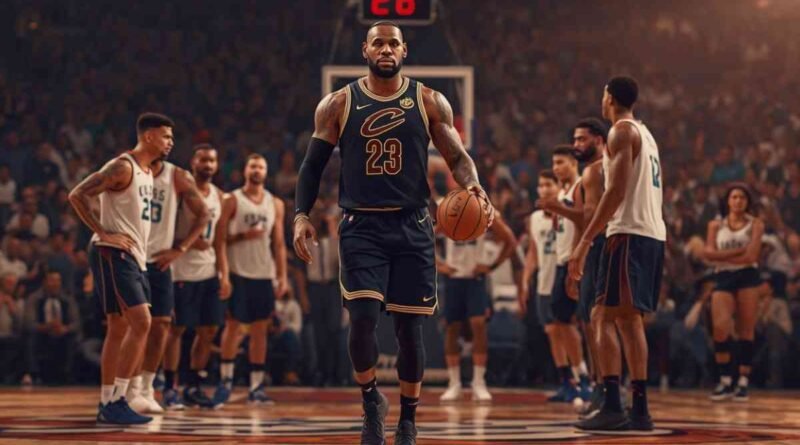
LeBron James is an ESFJ-T Person: Traits, Leadership & Life
LeBron James isn’t just a basketball legend, he’s a leader, philanthropist, and cultural icon. Fans admire him not only for his skills on the court but also for the impact he makes off it. But what drives LeBron’s decisions, his leadership, and his constant pursuit of excellence? Many personality enthusiasts suggest that he fits the ESFJ-T type in the Myers-Briggs Type Indicator (MBTI), also known as the “Consul” personality with a Turbulent edge.
In this article, we’ll explore why LeBron James is an ESFJ-T person, examine his personality traits, leadership style, and how his Turbulent nature shapes both his career and personal life. By the end, you’ll also discover practical lessons from his personality that anyone can apply.
What is the ESFJ-T Personality?
The ESFJ personality type is defined by four main traits:
- Extraverted (E): Draws energy from interacting with others.
- Sensing (S): Focused on facts, details, and real-world experiences.
- Feeling (F): Makes decisions based on empathy and values.
- Judging (J): Organized, structured, and goal-oriented.
The Turbulent (-T) subtype adds an extra layer. ESFJ-T individuals tend to be sensitive to criticism, more self-reflective, and constantly strive for improvement. While this can create stress, it also drives growth and emotional depth.
| Trait | What It Means | How It Shows in LeBron |
|---|---|---|
| Extraverted | Energized by social interaction | Connects with teammates and fans easily |
| Sensing | Focused on practical details | Observes opponents and game situations closely |
| Feeling | Guided by empathy | Mentors younger players, advocates socially |
| Judging | Organized and structured | Plans career moves and routines carefully |
| Turbulent | Self-critical, improvement-focused | Uses feedback to refine skills and leadership |
How LeBron James Shows ESFJ-T Traits
Extraverted Energy – Leading Through Connection
LeBron thrives in team settings, both on and off the court. His leadership isn’t about dominating others—it’s about inspiring them. He motivates teammates, builds trust, and celebrates collective achievements.
Off the court, his philanthropic work, like the I PROMISE School in Akron, Ohio, demonstrates his people-centered focus. Connecting with communities and uplifting others is a hallmark of an ESFJ.
Sensing & Practical Focus
As a Sensing type, LeBron is detail-oriented and grounded. He carefully analyzes games, plans training routines, and follows structured recovery methods. This practical, disciplined approach has allowed him to maintain top performance for over two decades.
He prefers stability and proven strategies over impulsive decisions, reflecting the ESFJ’s natural reliance on tried-and-tested methods.
Feeling & People-Centered Decisions
LeBron makes decisions through empathy and emotional awareness. He mentors young athletes, speaks up about social issues, and consistently shows care for his teammates and fans.
His ability to understand emotions and maintain harmony is a clear reflection of the ESFJ trait of putting people first, balancing ambition with compassion.
Judging & Organizational Skills
Structure and planning define much of LeBron’s career. Every move, from Cleveland to Miami, back to Cleveland, and finally Los Angeles—was strategic, aiming for championships, personal growth, and family balance.
His brand management, media ventures, and philanthropy also show Judging traits: foresight, discipline, and long-term planning.
Turbulent Subtype – Striving & Self-Reflection
LeBron’s Turbulent side adds emotional depth. He experiences self-doubt, stress, and introspection, especially under public scrutiny. From his early “Decision” controversy to reflections on legacy, he shows how Turbulent personalities continuously refine themselves.
This sensitivity makes him relatable and drives his ongoing self-improvement, turning criticism into motivation.
Alternative Personality Perspectives
Some analysts suggest LeBron might be ENTJ or ENFJ, pointing to his ambition, strategy, or visionary communication. While these traits exist, ESFJ-T better captures his emotional intelligence, people focus, and service-driven leadership.
Unlike ENTJs, who lead with authority, or ENFJs, who inspire through vision, LeBron’s leadership centers on connection, loyalty, and nurturing others—classic ESFJ traits.
Lessons from LeBron’s ESFJ-T Personality
LeBron’s personality offers practical lessons for leadership and life:
- Teamwork matters: Success comes from collaboration and lifting others.
- Emotional intelligence is key: Understanding people enhances influence and relationships.
- Self-reflection fuels growth: Constructive criticism can improve skills and decisions.
- Balance ambition with empathy: Drive and compassion go hand in hand.
How His Personality Impacts Life & Career
On-court: His ESFJ-T nature enhances teamwork, strategy, and decision-making under pressure.
Off-court: His philanthropy, media ventures, and business decisions reflect care for others while maintaining personal goals.
Family & relationships: Loyalty, mentorship, and nurturing define his approach to family and loved ones.
Conclusion
LeBron James exemplifies the ESFJ-T personality: empathetic, structured, people-focused, and constantly striving to improve. His leadership, emotional intelligence, and strategic mindset show how personality can shape both career and personal life.
For readers, the takeaway is clear: combine empathy, organization, and self-awareness to lead effectively and make a positive impact, just as LeBron does every day.
FAQs
Is MBTI reliable for public figures?
It’s a useful framework for observing patterns, but analyses of celebrities are interpretive, not scientific proof.
What is the difference between ESFJ-A and ESFJ-T?
ESFJ-A types are confident and calm, while ESFJ-T types are more self-reflective, sensitive to criticism, and motivated by improvement.
Could LeBron be a different personality type?
Some suggest ENTJ or ENFJ due to ambition or vision. But his empathy and people-focused leadership align strongly with ESFJ-T.
How does his personality influence on-court performance?
His teamwork, motivation, and emotional intelligence directly impact game strategy and team morale.
How does ESFJ-T guide his business decisions?
He balances ambition with care for people, ensuring brand moves and philanthropy align with long-term values.
How does he manage stress and public scrutiny?
LeBron uses self-reflection and constructive feedback to improve performance while maintaining resilience.
How can fans adopt ESFJ-T traits in daily life?
By practicing empathy, staying organized, seeking improvement, and nurturing meaningful connections.
Does his personality affect his relationships and family life?
Yes, he prioritizes loyalty, mentorship, and care for family, reflecting classic ESFJ values.
Can Turbulent traits be a strength?
Absolutely. Sensitivity and self-reflection help LeBron grow and connect with others meaningfully.
What leadership lessons can we learn from LeBron?
Effective leadership combines empathy, structured planning, emotional intelligence, and the ability to inspire teamwork.