
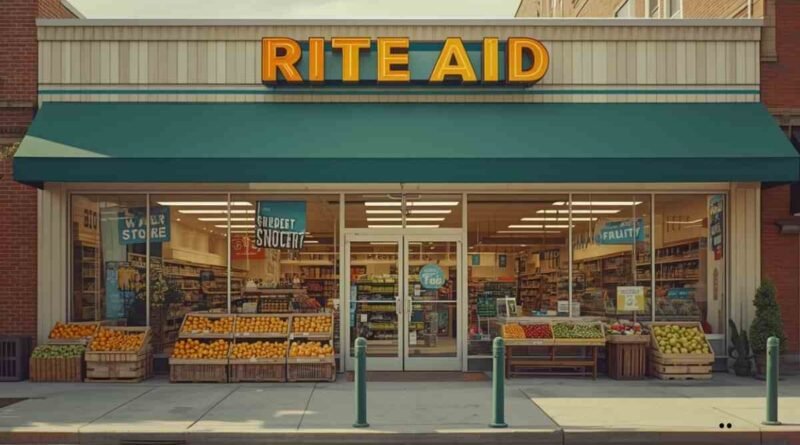
How Local Grocers Acquire Rite Aid Stores & Help Communities
Across the country, something interesting is happening. Local grocers acquire Rite Aid stores that once looked like empty reminders of retail decline.
Instead of sitting vacant, these corner buildings are reopening with fresh produce, working pharmacies, and local staff behind the counter.
This shift is not random. It’s a mix of smart business strategy, community need, and changing consumer habits. Let’s break it down in simple terms.
Understanding the Rite Aid Bankruptcy and Store Closures
To understand why local grocers are stepping in, we first need to look at what happened to Rite Aid.
Financial Challenges and Chapter 11
Rite Aid struggled for years with heavy debt, legal settlements tied to opioid lawsuits, and strong competition from larger chains and online retailers.
In 2023, the company filed for Chapter 11 bankruptcy.
Chapter 11 does not mean a business shuts down immediately. It means the company tries to reorganize its debt while continuing operations. However, many stores are often closed during this process.
Impact on Neighborhoods
When pharmacy locations close, it’s not just about losing a retail store.
For many seniors and families, that location may have been their only nearby option for prescriptions.
This led to what experts call “pharmacy deserts” areas where residents have limited access to medication and healthcare services.
Scale of Closures
Hundreds of Rite Aid stores across multiple states were either closed or sold.
That created a wave of empty buildings in high-traffic areas. And that’s where local grocery chains saw an opportunity.
Why Local Grocers Acquire Rite Aid Stores
There are clear business reasons behind this move.
Prime Corner Real Estate Advantage
Most Rite Aid locations were built on busy intersections.
These “main and main” corners come with strong visibility, existing parking lots, and heavy traffic flow.
When local grocers acquire Rite Aid stores, they inherit:
- Established shopping habits
- Familiar neighborhood locations
- Ready-to-use retail footprints
That saves years of location scouting.
Ready-Built Pharmacy Infrastructure
One of the biggest advantages is the existing pharmacy setup.
These stores already include:
- Pharmacy counters
- Drive-thru windows (in some cases)
- Prescription storage systems
- Security and compliance layouts
When local grocers buy prescription assets, customer records are often transferred legally and securely.
This helps maintain continuity for patients.
There’s also a licensing benefit. Acquiring an existing pharmacy location can be easier than starting from scratch.
Faster Expansion Compared to New Construction
Building a new grocery store from the ground up takes time.
There are zoning approvals, construction delays, and infrastructure costs.
When local grocers acquire Rite Aid stores, they often reduce:
- Development timelines
- Permitting headaches
- Upfront construction costs
It allows them to enter a market quickly and begin generating revenue faster.
Business Strategy Behind These Acquisitions
This trend is not just about filling empty buildings. It’s about smart retail strategy.
Foot Traffic Conversion Model
Pharmacies create repeat visits.
Customers pick up prescriptions every month. That steady flow is powerful.
When those same customers walk through a grocery section, many buy essentials like milk, bread, or fresh vegetables.
This turns pharmacy traffic into grocery sales.
It’s a simple but effective conversion model.
Smaller Neighborhood Market Concept
Consumer behavior has changed.
Many shoppers prefer smaller, convenient markets instead of huge warehouse-style stores.
Former Rite Aid spaces are ideal for:
- Neighborhood grocery concepts
- Quick-trip shopping
- Focused product selection
This format fits urban and suburban communities well.
Integrated Grocery + Pharmacy Model
Health and food naturally connect.
People picking up blood pressure medication may also want healthier meal options.
An integrated model creates:
- Convenience
- Cross-category shopping
- Higher customer loyalty
It also encourages repeat visits.
What Happens to Prescriptions When Local Grocers Take Over?
This is one of the most common concerns.
Prescription Record Transfer
When local grocers acquire Rite Aid stores, they often purchase prescription files.
In many cases, records are transferred automatically.
Still, patients should confirm details with the new pharmacy to avoid confusion.
Insurance Compatibility
Most grocery pharmacies work with major insurance providers.
However, networks can vary.
It’s important to:
- Confirm your insurance is accepted
- Verify co-pay amounts
- Update personal details if needed
Controlled Substances Process
Controlled medications follow stricter regulations.
Transfers may require verification or new authorization from a doctor.
Patients should speak directly with the pharmacist for clarity.
Medicare and Medicaid Considerations
Many grocery pharmacies accept Medicare and Medicaid.
However, beneficiaries should confirm:
- Plan compatibility
- Preferred pharmacy status
- Coverage tiers
Loyalty Program Changes
Rite Aid reward programs typically end after acquisition.
The new grocer may offer its own loyalty program, sometimes with grocery discounts or fuel rewards.
Benefits for Local Communities
When local grocers acquire Rite Aid stores, the impact goes beyond business.
Preventing Pharmacy Deserts
Keeping a pharmacy open ensures continued access to medications.
This is especially important for elderly residents and people without reliable transportation.
Keeping Jobs Local
In many cases, staff members are retained.
That means:
- Fewer layoffs
- Continued employment for pharmacy technicians
- Local hiring opportunities
This stabilizes neighborhoods.
Strengthening the Local Economy
When you spend money at a local or regional grocer, more of that money stays within the community.
This is called the “local multiplier effect.”
In simple terms, dollars circulate locally instead of flowing to distant corporate headquarters.
Challenges Local Grocers Face After Acquiring Rite Aid Stores
It’s not all easy.
Remodeling and Infrastructure Costs
Many former pharmacy buildings require updates.
Grocers may need to:
- Install refrigeration units
- Expand fresh food sections
- Upgrade plumbing or roofing
These investments can be expensive.
Supply Chain Pressures
Smaller grocery chains do not always have the buying power of national giants.
This can impact pricing and inventory management.
Insurance Reimbursement Complexities
Pharmacy reimbursement rates can be tight.
Grocers must carefully manage:
- Insurance billing
- Reimbursement delays
- Regulatory compliance
Margins in pharmacy are often thin.
Competing with Large Retail Chains
They still compete with companies like Walmart and Kroger.
To survive, they focus on:
- Personalized service
- Fresh local products
- Community engagement
Before vs After: How These Stores Change
Here’s a clear comparison.
| Feature | Former Rite Aid | After Local Grocer Acquisition |
|---|---|---|
| Ownership | National chain | Local/regional operator |
| Store Focus | Pharmacy + limited retail | Grocery + pharmacy |
| Atmosphere | Corporate standard | Community-focused |
| Product Mix | Health & convenience | Fresh produce, meat, daily goods |
| Community Hiring | Limited local control | Often locally hired staff |
| Shopping Experience | Transactional | Relationship-driven |
This transformation often changes how customers feel about the space.
Real-World Examples of Local Grocers Expanding Into Pharmacy Spaces
In several states, regional grocery chains have stepped in to buy former pharmacy sites.
For example, Albertsons and Hy-Vee have expanded pharmacy operations within grocery environments.
In other regions, independent grocery operators have acquired standalone pharmacy locations to strengthen their footprint.
The pattern is clear:
- High-traffic corners are reused
- Pharmacies remain operational
- Grocery offerings expand
It’s a practical reuse of existing infrastructure.
Economic and Retail Industry Impact
Is this a new retail trend?
In many ways, yes.
As national pharmacy chains restructure, regional operators are stepping in to capture local demand.
This shift may also influence competitors like CVS and Walgreens.
For commercial landlords, it reduces vacancy risk.
For retail real estate markets, it increases demand for adaptable, mid-size store formats.
Is This Trend Sustainable Long Term?
The long-term outlook depends on several factors.
Financial viability matters. Pharmacy margins are tight, and grocery competition is intense.
However, consumer behavior supports convenience and local access.
Healthcare accessibility remains essential. People will always need medications.
If managed carefully, the neighborhood grocery + pharmacy model has strong potential.
What Shoppers Should Know Before Transferring Prescriptions
If your local store changes ownership, here’s what to do.
- Confirm your insurance coverage
- Verify medication availability
- Ask about refill timelines
- Check pharmacy hours
- Inquire about vaccination services
It’s also helpful to introduce yourself to the new pharmacist.
Building that relationship makes future visits smoother.
Frequently Asked Questions
Do local grocers keep Rite Aid pharmacists?
In many cases, yes. When local grocers acquire Rite Aid stores, they often retain experienced pharmacy staff. This ensures continuity and reduces disruption for patients. However, staffing decisions depend on each acquisition agreement.
Will insurance networks change?
Sometimes they do. While most grocery pharmacies work with major insurers, network agreements can vary. It’s important to confirm your plan’s preferred pharmacy status. A quick phone call can prevent billing surprises.
Are grocery pharmacies cheaper?
Prices vary. Some grocery pharmacies offer competitive pricing, especially for generic medications. Others provide discount programs or savings clubs. It’s smart to compare co-pays and ask about available savings options.
How long does prescription transfer take?
If records are acquired during the sale, transfers can be immediate. If you move prescriptions manually, it may take 24–48 hours depending on verification requirements. Controlled substances may require additional steps.
What happens to controlled medications?
Controlled medications follow stricter regulations. You may need a new prescription from your doctor, depending on state law and federal guidelines. Always speak directly with the pharmacist for clear instructions.
Can I still use manufacturer coupons?
Often, yes. Most grocery pharmacies accept manufacturer coupons for eligible medications. However, policies can vary by location. Confirm before checkout.
Do these stores offer vaccinations?
Many grocery pharmacies provide vaccines, including flu shots and other routine immunizations. Availability may vary by state and pharmacy certification. It’s best to call ahead.
Are store hours the same as before?
Not always. Some grocery pharmacies operate different hours than former Rite Aid stores. Check updated schedules online or by phone to avoid inconvenience.
Is this good for small towns?
In many cases, yes. When local grocers acquire Rite Aid stores in smaller towns, it prevents long travel distances for medication and groceries. It keeps services closer to home.
Could more pharmacy chains face similar changes?
Retail pharmacy is evolving. If large chains struggle with debt or competition, similar restructuring could happen. This makes local operators increasingly important in maintaining community access.
Final Thoughts
When local grocers acquire Rite Aid stores, it’s more than a real estate deal.
It’s a shift in how communities access food and healthcare.
Instead of empty buildings, neighborhoods get refreshed markets and working pharmacies.
For many towns, that makes a real difference.