
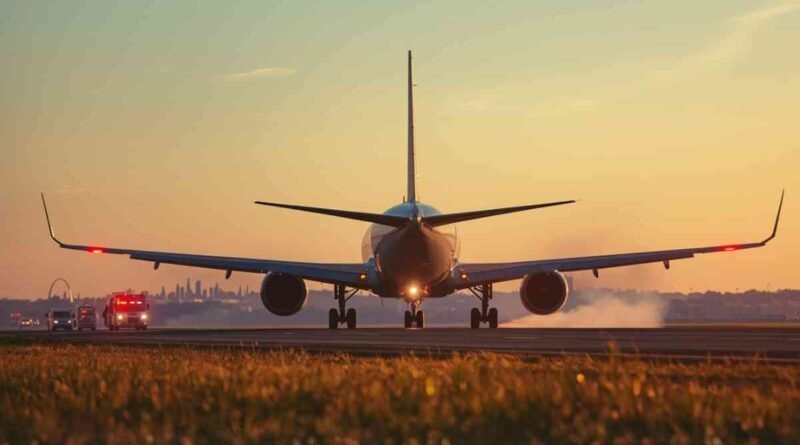
United Airlines Flight UA770 Emergency Diversion Explained Safely
In February 2025, United Airlines Flight UA770 Emergency Diversion made headlines after a sudden in-flight incident forced the flight crew to make an unscheduled landing. While the situation was alarming, the professionalism of the crew ensured that all passengers landed safely. This incident highlights the critical role of safety protocols and quick decision-making in commercial aviation.
Understanding what happened onboard, how the crew responded, and the lessons learned provides valuable insight into airline safety and operational readiness.
Flight UA770 Overview
United Airlines Flight UA770 operates a domestic route from Denver International Airport (DEN) to Orlando International Airport (MCO). On the day of the incident, the flight was served by a Boeing 737-900ER, a fuel-efficient jetliner with seating for approximately 179 passengers in a dual-class configuration.
The flight departed at 9:07 AM local time, carrying 176 passengers and six crew members. Pre-flight checks showed no issues, and the weather was clear. Everything seemed routine until about two hours into the flight.
Timeline of the Emergency
Here’s a simple overview of the events from takeoff to landing:
- 9:07 AM – Flight UA770 departs from Denver International Airport.
- ~10:50 AM – While cruising at 35,000 feet over Missouri, the crew notices cockpit alerts and feels unusual vibrations in the rear of the plane.
- 10:52 AM – Passengers report a burning smell. Flight attendants begin emergency procedures.
- 10:55 AM – Captain Hartley decides to divert to St. Louis Lambert International Airport (STL). A PAN-PAN call is issued.
- 11:05 AM – Internal diagnostics show hydraulic pressure drop, escalating the alert to MAYDAY.
- 11:32 AM – Flight UA770 lands safely at STL, 27 minutes after the first warning.
This timeline helps show how quickly the crew identified and managed the emergency, keeping passenger safety as the top priority.
What Happened Onboard
The emergency was triggered by a minor electrical malfunction in the aircraft’s Auxiliary Power Unit (APU). The APU provides power when the engines are not running and supports multiple onboard systems.
The alerts in the cockpit were followed by a faint burning smell reported by passengers, which caused understandable concern. Cabin crew immediately instructed passengers to stay seated and belted while investigating the issue.
A hydraulic pressure drop in the rudder system was also detected. Though the problem was later determined to be a sensor error, it required careful monitoring, as rudder control is vital for safe flight.
Emergency Diversion Decision
Captain Melissa Hartley, a veteran pilot with over 14,000 flight hours, coordinated with Air Traffic Control (ATC) and decided to divert the flight. The initial PAN-PAN call indicated an urgent situation, while the later MAYDAY call flagged a potentially critical issue requiring immediate landing.
PAN-PAN signals a problem that is serious but not life-threatening, while MAYDAY indicates a genuine emergency. By escalating quickly and following protocol, the crew ensured the aircraft and passengers were protected.
Passenger Experiences
Passengers on UA770 described a mix of fear and reassurance. Many noticed the metallic smell, while others saw a faint haze near the rear galley. The cabin crew’s calm instructions were crucial in preventing panic.
After landing, United Airlines offered support including counseling services, meal vouchers, and rebooking assistance. Passengers shared videos of the incident, which helped document the event and reassure the public that no one was physically harmed.
Social Media and Public Reaction
News of the United Airlines Flight UA770 Emergency Diversion spread quickly. Posts tagged #UA770 and #UnitedEmergencyLanding went viral, with passengers sharing firsthand footage and experiences. Aviation enthusiasts praised the crew for following protocol, while the airline released a public statement within 90 minutes confirming the safety of all passengers and crew.
This transparent communication helped manage public perception and maintain trust in the airline.
Aircraft Inspection and Root Cause
After landing, the aircraft was taken to a secure maintenance bay. Initial findings included:
- A minor electrical short in the APU, caused by a faulty power relay.
- Sensor error triggering a false hydraulic pressure warning.
- Overheating in the rear electrical systems, which did not pose a fire risk.
The FAA was notified immediately, and a preliminary bulletin confirmed that all crew actions were in compliance with standard operating procedures. This follow-up is crucial in preventing future incidents.
Flight Crew Professionalism
Captain Hartley and First Officer Jamal Reyes received praise for their calm and efficient handling of the situation. Both had recently completed emergency procedure simulations, which contributed to their quick decision-making.
The crew’s performance is a prime example of proactive safety culture, where training, experience, and teamwork prevent emergencies from escalating.
Industry Implications and Safety Lessons
The UA770 incident underscores several lessons for the aviation industry:
- Predictive maintenance using advanced diagnostics can identify potential issues before they affect flight.
- Sensor reliability is critical; false readings can trigger unnecessary diversions but must be treated cautiously.
- Human judgment remains key; trained crews make the difference between a safe landing and a disaster.
Passengers also benefit from these lessons as airlines enhance safety measures, reducing the risk of future emergencies.
United Airlines’ Follow-Up Measures
In response to the incident, United Airlines has implemented several improvements:
- Rolling out new predictive fault-detection algorithms across the Boeing fleet.
- Enhancing emergency communication drills for cabin crew.
- Collaborating with Boeing to improve real-time diagnostic data for onboard systems.
These steps demonstrate the airline’s commitment to safety and continuous improvement.
Conclusion
The United Airlines Flight UA770 Emergency Diversion serves as a strong reminder that aviation safety depends on both technology and human skill. Quick decision-making, professional training, and strict adherence to protocols ensured that all passengers landed safely.
While mechanical anomalies occurred, the crew’s response prevented any harm, highlighting the importance of preparedness in modern aviation.
FAQs
What caused the emergency on UA770?
A minor electrical malfunction in the APU and a sensor error in the rudder system triggered the emergency.
How did the flight crew handle the situation?
The crew followed emergency protocols, coordinated with ATC, and safely diverted to St. Louis Lambert International Airport.
Were passengers injured during the diversion?
No, all passengers and crew were unharmed. Psychological support was provided post-landing.
What is an APU, and why is it important?
The Auxiliary Power Unit provides power when engines are off and supports critical onboard systems.
What do PAN-PAN and MAYDAY calls mean?
PAN-PAN signals an urgent issue that isn’t life-threatening, while MAYDAY indicates a genuine emergency requiring immediate action.
How did United Airlines support passengers after landing?
They offered counseling services, meal vouchers, and flight rebooking assistance.
Are emergency diversions common in commercial aviation?
No, they are rare. Airlines treat diversions seriously to ensure safety whenever a potential risk is detected.
What measures are airlines taking to prevent similar incidents?
Airlines are implementing predictive maintenance, improving sensor reliability, and enhancing emergency training for crews.