
Wisconsin FoodShare Quality Control Katie Sepnieski
Ensuring that families in Wisconsin have access to safe and nutritious meals is no small task. Wisconsin FoodShare works tirelessly to support communities, and a big part of that success comes from its rigorous quality control processes. At the heart of these efforts is Katie Sepnieski, whose dedication ensures that every meal distributed meets high standards for safety and nutrition. Her work directly impacts children, elderly residents, and families who rely on these programs, giving them confidence that the food they receive is both safe and wholesome.
Understanding Wisconsin FoodShare Quality Control
Quality control in the FoodShare program is all about making sure that food reaches families in the best possible condition. This includes checking for safety, nutritional value, and proper handling at every step. From reviewing shipments to monitoring storage, the goal is clear: provide meals that are safe, reliable, and nourishing.
Inspections, nutritional checks, and supplier compliance are essential parts of the process. By maintaining consistent standards, Wisconsin FoodShare prevents foodborne illnesses and ensures that every package supports healthy eating.
Katie Sepnieski’s Role and Responsibilities
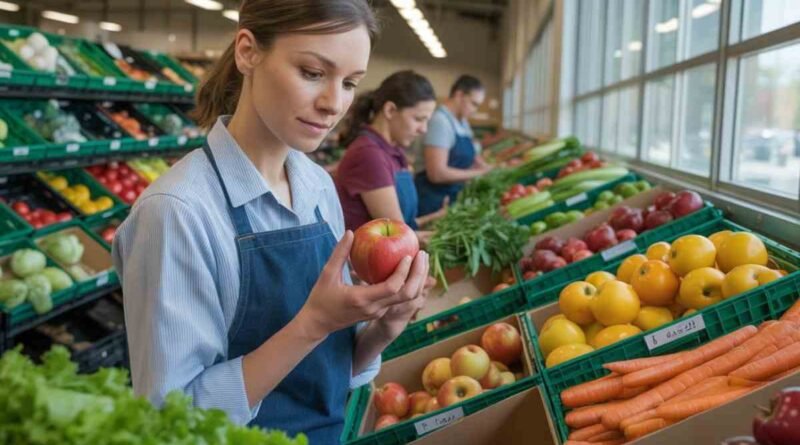
Katie Sepnieski plays a central role in maintaining these high standards. Her responsibilities include inspecting incoming shipments, monitoring storage conditions, and training staff and volunteers. She also ensures that the program meets all state and federal food safety regulations, creating a system where safety and nutrition are never compromised.
Collaboration is key to her work. Katie coordinates with food banks, suppliers, and volunteers to maintain a seamless supply chain. Her leadership helps create a culture of accountability, so everyone involved understands the importance of safe and nutritious meals.
The Food Inspection Process
The inspection process at Wisconsin FoodShare is thorough and carefully structured. Every step is designed to catch issues before food reaches families.
Steps include:
- Shipment Review – Checking freshness, packaging integrity, and any signs of damage.
- Storage Condition Monitoring – Ensuring warehouses maintain proper temperature and hygiene.
- Expiration Date Checks – Verifying all items are safe to consume.
- Nutritional Assessment – Making sure meals are balanced and meet dietary needs.
Inspection Table:
| Inspection Stage | Purpose | Frequency | Responsible Party |
|---|---|---|---|
| Shipment Check | Freshness & packaging | Every delivery | QC Team |
| Storage Conditions | Prevent spoilage & contamination | Daily | Warehouse Staff |
| Expiration & Label Review | Ensure safe consumption | Weekly | Katie Sepnieski / Team |
| Nutritional Assessment | Balanced meals | Monthly | Nutrition Specialist |
This process ensures that families receive not just food, but meals that are safe, fresh, and nutritious.
Training Staff and Volunteers
Proper training is essential for maintaining quality control. Katie leads workshops, provides manuals, and conducts hands-on demonstrations for staff and volunteers.
By instilling a culture of safety and responsibility, everyone involved learns how to handle food properly and identify potential issues before they become problems. This approach reduces contamination risks and ensures that high standards are consistently met across the program.
Ensuring Nutritional Value
Safety is only part of the picture. Katie Sepnieski also focuses on ensuring meals provide balanced nutrition. Packages include fruits, vegetables, proteins, and whole grains to meet the needs of children, the elderly, and families who rely on FoodShare.
By reviewing the nutritional content of every shipment, Katie ensures that each meal supports long-term health and wellness. Families not only receive food—they receive nourishment that helps improve energy, growth, and overall well-being.
Collaborating With Suppliers
Maintaining quality begins with suppliers. Katie works closely with vendors to ensure that sourcing, packaging, and shipping practices meet strict standards.
Suppliers undergo regular performance reviews, and corrective measures are implemented if standards are not met. This collaboration builds trust and reliability throughout the FoodShare network, ensuring that the food reaching communities is consistently high-quality.
Overcoming Challenges in Quality Control
Challenges are inevitable in any large-scale food program. Delayed shipments, damaged packaging, or unexpected changes in supplier quality can occur. Katie and her team address these issues proactively, adjusting procedures as needed to ensure families are not affected.
For example, if a shipment of vegetables arrives damaged, replacements are sourced quickly, and affected meals are removed before distribution. This proactive approach keeps the program dependable, even when unforeseen problems arise.
Community Impact
The effects of Wisconsin FoodShare’s quality control efforts reach far beyond food safety. Families receive healthy meals, children get proper nutrition, and elderly individuals can maintain their health. Local schools, volunteers, and agencies also benefit from a program that prioritizes education about food safety and nutrition.
Katie’s work creates a ripple effect of well-being in communities. By maintaining high standards, Wisconsin FoodShare improves health, fosters trust, and empowers volunteers and staff to be more effective in their roles.
Future of Wisconsin FoodShare Quality Control Katie Sepnieski
Looking ahead, Wisconsin FoodShare plans to integrate new technologies, such as tracking systems and apps for reporting QC issues. Enhanced training programs and continuous monitoring will help the program adapt to evolving needs.
Katie Sepnieski’s forward-thinking approach ensures the program will remain reliable, safe, and efficient, reaching even more families and maintaining trust within the community.
Tips for Families to Support Food Safety at Home
Families can apply simple practices inspired by FoodShare’s quality control:
- Check expiration dates on all food items.
- Store food properly to prevent spoilage.
- Teach children about hygiene and safe food handling.
These small steps help reinforce the program’s goals and ensure that meals remain safe and healthy from delivery to consumption.
FAQs
What is Wisconsin FoodShare quality control?
It’s the process of inspecting, monitoring, and ensuring that meals provided by FoodShare are safe, nutritious, and handled properly.
Who is Katie Sepnieski?
Katie Sepnieski is a quality control expert responsible for overseeing inspections, training staff, and maintaining high food safety standards in Wisconsin FoodShare programs.
How does FoodShare ensure meals are safe and nutritious?
Through inspections, storage monitoring, supplier compliance checks, and nutritional assessments at every stage of the distribution process.
What steps are taken during food inspections?
Shipment reviews, storage monitoring, expiration checks, and nutritional assessments are conducted regularly.
How are staff and volunteers trained?
They receive workshops, manuals, and hands-on demonstrations to create a culture of safety and responsibility.
How does FoodShare collaborate with suppliers?
Suppliers are evaluated regularly to ensure food meets safety and nutritional standards. Corrective actions are implemented when needed.
Can families apply FoodShare tips at home?
Yes. Checking expiration dates, storing food correctly, and teaching children about hygiene helps maintain safety and nutrition at home.
What innovations are planned for future quality control?
Tracking systems, mobile apps for reporting issues, and enhanced training programs are part of the program’s continuous improvement plan.
Conclusion
Katie Sepnieski’s dedication ensures that Wisconsin FoodShare delivers meals that are safe, nutritious, and reliable. Her work strengthens community trust and supports families across the state. By maintaining high standards and fostering education, the program not only feeds people, it nurtures health, safety, and well-being.
Wisconsin FoodShare shows that quality control isn’t just about food—it’s about caring for the community. Thanks to leaders like Katie, families can feel confident that every meal they receive is wholesome, safe, and nourishing.